Parkinson’s Disease: Symptoms, Causes & Treatment Options in Hyderabad
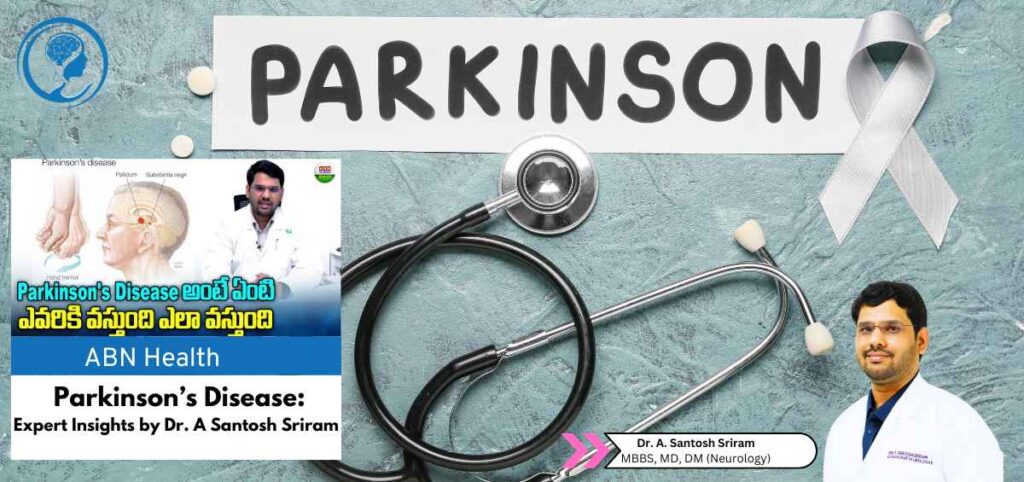
This is a transcript from an educational video by Dr. A Santosh Sriram, Consultant Neurologist at Apollo Hospital, Hyderguda, Hyderabad, where he discusses Parkinson’s disease—its impact on daily activities and the distinction between motor and non-motor symptoms, including depression. He also highlights the genetic factors associated with the disease and the latest advancements in Parkinson’s treatment in Hyderabad, including options such as Deep Brain Stimulation (DBS) and personalized medication plans available at Apollo Hospital.
Parkinson’s disease: Introduction
Parkinson’s disease is a chronic, often treatment-resistant neurological disorder, with varying opinions about its management. It occurs due to gradual damage and degeneration of brain nerves associated with a chemical called dopamine, a key neurotransmitter responsible for movement control.
Motor Symptoms and Their Types
The main symptoms of Parkinson’s disease can be classified into two types: motor and non-motor. Motor symptoms relate to problems with movement. The key motor symptom is bradykinesia, or slowness of movement, where tasks that were previously done quickly now take longer.
Another common symptom is muscle stiffness or rigidity, especially in the hands and legs. The third key motor symptom is tremor, which means shaking.
Typically, Parkinson’s tremor is a resting tremor, meaning it occurs when the hands or legs are at rest and not being used. This tremor usually starts on one side of the body—often in one hand or arm—and then spreads to the other side. The fourth motor symptom appears in advanced Parkinson’s disease: postural instability or balance problems, which can lead to frequent falls as the disease progresses.
Non-Motor Symptoms of Parkinson’s Disease
Besides motor symptoms, Parkinson’s disease also includes several non-motor symptoms. These include constipation and REM Sleep Behavior Disorder (RBD)—a sleep disorder where patients physically act out their dreams, leading to abnormal movements during sleep such as shouting, kicking, or moving hands, sometimes causing injury to the patient or bed partner.
Other non-motor symptoms include anosmia (loss or reduction of the sense of smell) and depression, which is commonly seen in Parkinson’s patients and should not be neglected.
Parkinson’s Disease in the Elderly
Parkinson’s disease is most commonly seen in older adults and is generally sporadic, meaning it can occur without a clear cause. However, patients who develop it before the age of 40 may have a genetic form of Parkinson’s disease (Genetic Parkinsonism), which may run in families.
Medical Intervention and Treatment Options
Patients typically seek medical help due to movement difficulties. Several medications are available that effectively reduce symptoms like stiffness and slowness of movement.
In advanced cases or when medication is not sufficient, a procedure called Deep Brain Stimulation (DBS) is an option. DBS involves surgically placing electrodes in the brain—similar to how a pacemaker is implanted for the heart.
This procedure helps reduce medication needs and provides continuous symptom control and relief. It is crucial for patients to take medications on time and regularly. Additionally, engaging in physical activities and regular exercise can help reduce stiffness and improve mobility.
For individuals experiencing symptoms of Parkinson’s disease or seeking expert evaluation, consulting Dr. A Santosh Sriram, Consultant Neurologist at Apollo Hospital, Hyderguda, Hyderabad, can make a significant difference in early diagnosis and management. Schedule your consultation today to receive expert care from a Parkinson’s disease specialist in Hyderguda, dedicated to improving quality of life and restoring mobility through personalized neurological care.