Epilepsy Symptoms, Causes & Treatment by Dr. A Santosh Sriram
This is a transcript from an educational video by Dr. A Santosh Sriram, Consultant Neurologist at Apollo Hospital, Hyderguda, Hyderabad, where he discusses neurological disorders, focusing on epilepsy and its treatment. He shares insights into the symptoms, diagnosis, and management strategies for effectively dealing with this condition.
Understanding Neurological Issues
Epilepsy involves abnormal electrical signals in the brain. Understanding these conditions is crucial for effective diagnosis and treatment. Dr. Sriram emphasizes the importance of recognizing how these abnormal signals affect brain function and daily life.
Types of Seizures
When most people think of seizures or fits, they imagine the typical symptoms—eyes rolling up, teeth clenching, and limbs jerking. However, seizures can occur in people of all age groups, both young and old. They are generally classified into two main types: generalized seizures and focal seizures.
Generalised Seizures: These occur when electrical signals spread rapidly throughout the entire brain, affecting the whole body.
Focal Seizures: Focal seizures happen when the excessive electrical activity is limited to a specific part of the brain. Examples include twitching of one hand or leg, sudden stiffness, stopping an activity abruptly, and inability to move hands or legs. These are also called focal seizures or fits.
Fits in Children
Fits can occur at any age—from newborns to the elderly. In infants and young children, the causes often differ. Lack of oxygen at birth, infections, or developmental malformations of the brain can trigger seizures.
Genetic causes may also contribute to epilepsy in children. One common childhood condition is febrile seizures, which occur between ages 1 and 6 due to fever. These are typically harmless and usually don’t require epilepsy-specific medications. Treatment focuses on fever prevention and control, and most children recover completely as they grow older.
Parents searching for affordable epilepsy treatment in Hyderabad can consult specialists like Dr. Sriram for guidance on epilepsy medication in Hyderabad and long-term management.
Fits in the Elderly
In elderly patients, common causes of fits include brain infections, stroke, tumors, or bleeding in the brain. Reversible causes such as low sodium levels, metabolic abnormalities, or substance-related issues (alcohol or drug use) can also increase the likelihood of seizures. Identifying and addressing these underlying causes is vital for effective management.
Treatment for Seizures
For patients who experience frequent fits, anti-epileptic (anti-fit) medications are prescribed. About 70% of patients respond well to these medicines, achieving good control over their seizures. In some cases caused by reversible factors, medications may later be reduced or discontinued under medical supervision. For those whose seizures are not controlled with medication, advanced options like epilepsy surgery may be considered. This procedure targets the part of the brain responsible for generating seizures, identified using MRI scans and video EEG tests. If the affected area can be safely removed, surgery can significantly improve quality of life.
Other innovative treatments, such as Vagal Nerve Stimulation (VNS), are also available. Though suitable for a smaller group of patients, they offer additional options for seizure management.
Precautions During a Seizure
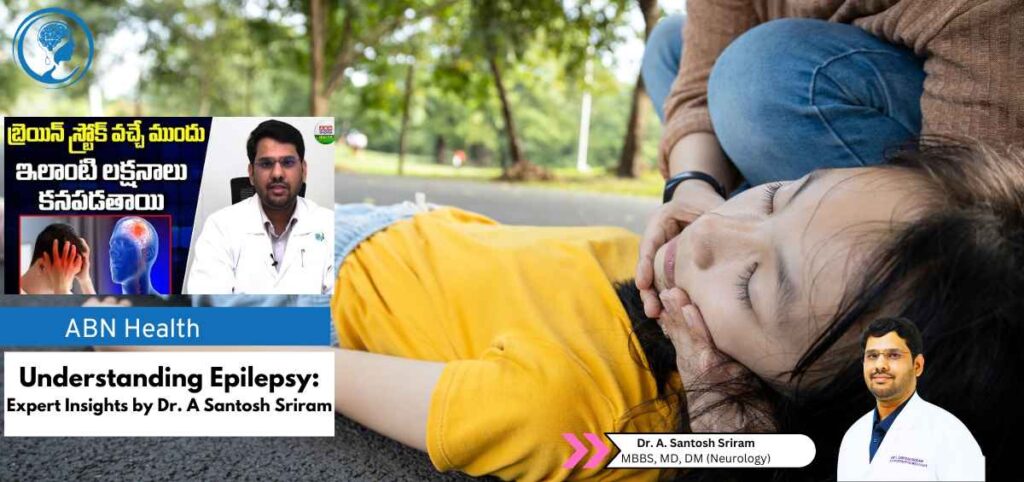
If someone has a fit in front of you, the first priority is safety. Ensure the person does not fall or hit nearby objects. Move sharp items aside and gently turn them on their side—this helps saliva or vomit flow out safely.
Most seizures stop within one to two minutes. Afterward, the person may remain unconscious or drowsy for a short time—keep them on their side during this period, then take them to the nearest hospital.
Avoid restraining the person or putting anything in their mouth, as these actions can cause injury. With proper treatment and timely care, most people with epilepsy can lead normal, seizure-free lives.
For anyone experiencing recurrent seizures or seeking expert care, Dr. A Santosh Sriram, Consultant Neurologist at Apollo Hospital, Hyderguda, Hyderabad, can make a vital difference in diagnosis and management. Schedule your consultation today to receive specialized epilepsy care in Hyderguda, Hyderabad, focused on improving long-term health and quality of life.